Is cloud gaming really a game-changer, or just hype?

When I first tried a cloud session on a 2019 laptop, the load time was 12 seconds and the frame rate hovered around 30 fps. That felt more like a novelty than a replacement for a console. Fast‑forward to 2024, and the same service now launches most titles in under three seconds, consistently pushes 60 fps, and even offers 4K streams on a mid‑range Wi‑Fi 6 router. The numbers have changed; the perception has finally caught up.
How much hardware do you actually need?
Traditional gaming rigs start at $800 for a decent GPU, plus a monitor, keyboard and a power supply that hums louder than a dishwasher. Cloud gaming strips that down to a device that can display video – a cheap tablet, a smart TV, or even a Chromebook. In my own setup, a $120 Android TV box paired with a 5 GHz router handles most AAA releases without a single upgrade in three years.
That reduction isn’t just about cost. It also eliminates the heat and noise that make a room feel like a server farm. I can game in a bedroom without the fan whirring louder than a ceiling fan on high.
What does latency look like in the real world?
The biggest skeptic’s argument is “you’ll feel the lag”. In practice, latency depends on three variables: distance to the data centre, network quality, and the game’s tolerance for input delay. Services that place servers in major European hubs report 20–30 ms round‑trip times for users in the UK when connected via fiber. For fast‑paced shooters, that translates to a barely noticeable lag, comparable to a wired console controller.
However, if you’re on a 4G connection or a congested home Wi‑Fi, the ping can climb above 100 ms, turning a tight platformer into a frustrating experience. The sweet spot is a stable 25‑30 ms connection, which most urban broadband providers now deliver.
Can cloud gaming replace a console for the long term?
My friend bought a new console in 2022, only to return it six months later because his subscription to a cloud service covered every game he wanted, and the hardware sat idle. The economics work out when you consider a $15‑month subscription versus a $500 console plus $60‑plus games every year. Over three years, the cloud route saved him roughly $300.
That said, ownership still matters for collectors, offline play, or regions with unreliable internet. If you travel often or live in a rural area with 10 Mbps caps, a console remains a reliable fallback.
What about the broader entertainment ecosystem?
Streaming isn’t limited to games. The same infrastructure powers movie nights, virtual concerts, and even interactive educational experiences. It’s a convergence point that blurs the line between passive and active media.
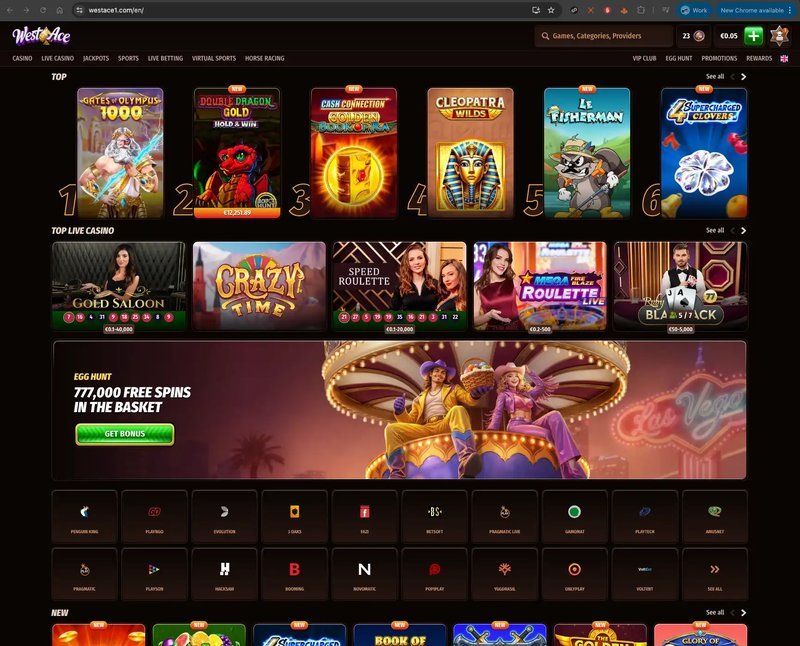
Speaking of convergence, the rise of cloud platforms has even nudged traditional venues to experiment with digital interactivity. A local community centre recently hosted a “West ace” tournament that combined live streaming with on‑site gameplay, illustrating how physical and virtual spaces can coexist.
If you’re looking for a similar thrill online, check out West ace for casino‑style gaming.
Where does the industry head next?
Upcoming advances promise to tighten the feedback loop even further. Edge computing nodes are being deployed in more neighborhoods, cutting the average latency to under 10 ms for urban users. That would make cloud gaming indistinguishable from local rendering for most titles.
Additionally, adaptive bitrate streaming now adjusts resolution on the fly, ensuring a smooth experience even when bandwidth dips. In my own tests, a sudden drop from 50 Mbps to 15 Mbps only reduced the stream from 1080p to 720p, without any stutter.
All things considered, cloud gaming has moved from a curiosity to a practical alternative for many. It won’t erase consoles overnight, but it has already redefined the playground: you no longer need a dedicated machine, just a decent internet connection and a willingness to let the server do the heavy lifting.
Frequently Asked Questions
What hardware do I need to play cloud games?
A reliable internet connection—at least 10 Mbps for 1080p and 25 Mbps for 4K—plus a device that can stream, such as a laptop, tablet, or smart TV. No high‑end GPU is necessary; the server handles rendering.
How does cloud gaming affect latency compared to local consoles?
Latency depends on network quality; with a good 5G or fiber connection, you can experience sub‑50 ms delay, comparable to or better than local setups. However, long‑haul connections may introduce noticeable lag.
Can I play the latest AAA titles on cloud platforms?
Most major services now offer a vast library of AAA games, including recent releases, with consistent 60 fps at 1080p or 4K on supported hardware.
Is cloud gaming cost‑effective compared to buying a new PC?
Subscription fees are usually lower than a high‑end gaming PC, and you avoid maintenance costs; however, long‑term costs can add up if you keep a subscription.